As Australia enters another bushfire season, attention turns to the risks facing our forests and the communities, industries and ecosystems that depend on them.
Bushfires are a natural part of many Australian landscapes, but their impacts can be devastating. Beyond the immediate threat to lives, wildlife and property, major fire events can damage forest ecosystems, disrupt regional economies and affect timber supply for years to come.
While bushfire risk can never be eliminated, building greater resilience starts long before the first signs of fire.
Through research, active forest management and emerging technologies, Australia’s forest and wood products industry is continuing to strengthen its ability to prepare, respond and recover.
Managing risk before it grows
Effective bushfire preparation begins with understanding how forests grow, change and respond to environmental conditions.
Active management of plantation and native forests plays an important role. This includes monitoring forest health, maintaining access for emergency services and managing fuel loads, such as fallen branches, leaf litter and dense vegetation that can contribute to fire intensity.
Research helps inform these activities, giving forest managers a clearer understanding of potential risks and the practices that can help reduce their impacts.
Research driving smarter fire management
FWPA-supported research is exploring how emerging technologies can strengthen forest management, improve safety and support long-term resilience.
A recent study, Discovering Global Automation & Robotics Relevant to Australia’s Forestry Needs, assessed more than 300 technologies from around the world, identifying opportunities relevant to Australian forestry.
Among these were autonomous sensors, drone-based fire detection, thermal imaging and targeted fire suppression technologies.
While many remain in development, the research highlights their potential to improve early detection, strengthen monitoring and support safer emergency responses. It also identifies opportunities for automation to assist with proactive fire management and fuel reduction activities.
Importantly, the study found that successful adoption depends on more than technology alone. Workforce training, reliable data, operational integration and collaboration are equally important to achieving practical outcomes.
Other FWPA-supported projects are helping build this capability.
A GIS-integrated forest health surveillance project aims to combine satellite monitoring with existing forestry systems, enabling earlier detection of unexpected disturbances and more targeted responses.
Research into improved biological control of blackberry is also addressing a significant challenge for forest access, productivity and fire management.
Together, these projects demonstrate how research can help industry identify risks earlier and respond more effectively.
.jpg)
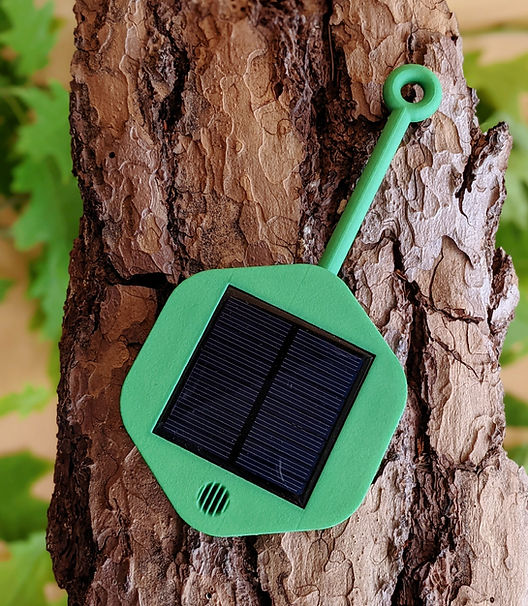
Photo credit: Dryad Wildfire Sensor
The Dryad Silvanet is a solar powered forest fire early warning system, sensing carbon monoxide, hydrogen and other gases emitted by pyrolysis in the early stages of a wildfire, giving fire fighters valuable time and a chance to extinguish the fire before it spreads out of control.
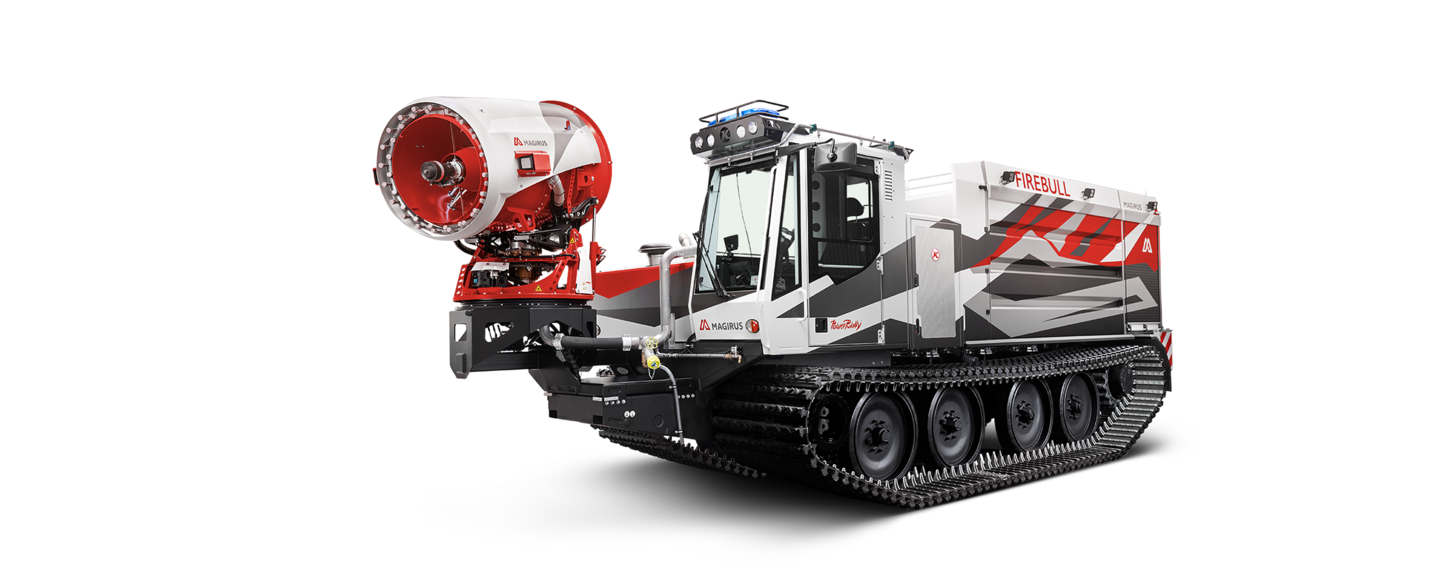
Photo credit: The Magirus FireBull
The tracked fire engine combines efficient AirCore extinguishing technology, flexible superstructure options and the all-terrain PowerBully chassis to form a fully developed solution for use in vegetation fires.
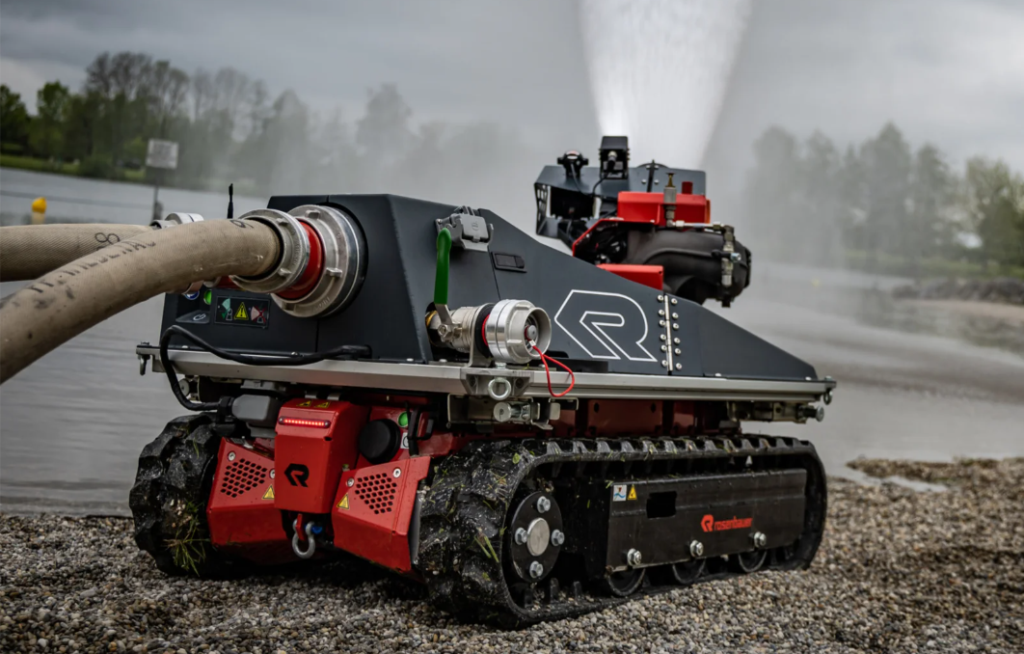

Photo credit: RTE Robot – RM 35
The RTE Robot can be combined with turret modules to extinguish fires where it is simply too dangerous for the emergency crews.
Learning from the past in order to prepare for the future.
Recent bushfire events have reinforced the importance of preparation, coordinated emergency response and long-term recovery planning.
They also highlight the need to continually improve how forests are monitored, managed and restored following major disturbances.
Looking ahead, research opportunities include advancing early detection technologies, improving fuel management practices and strengthening our understanding of post-fire forest recovery.
For FWPA, the focus is on connecting research with practical industry needs, helping growers and forest managers make informed decisions that support safer, more resilient operations.
As another fire season approaches, the message is clear. Bushfire resilience isn’t built through one solution, but through the combined value of research, active forest management, innovation and lessons learned.
And much of that work happens long before the next fire.